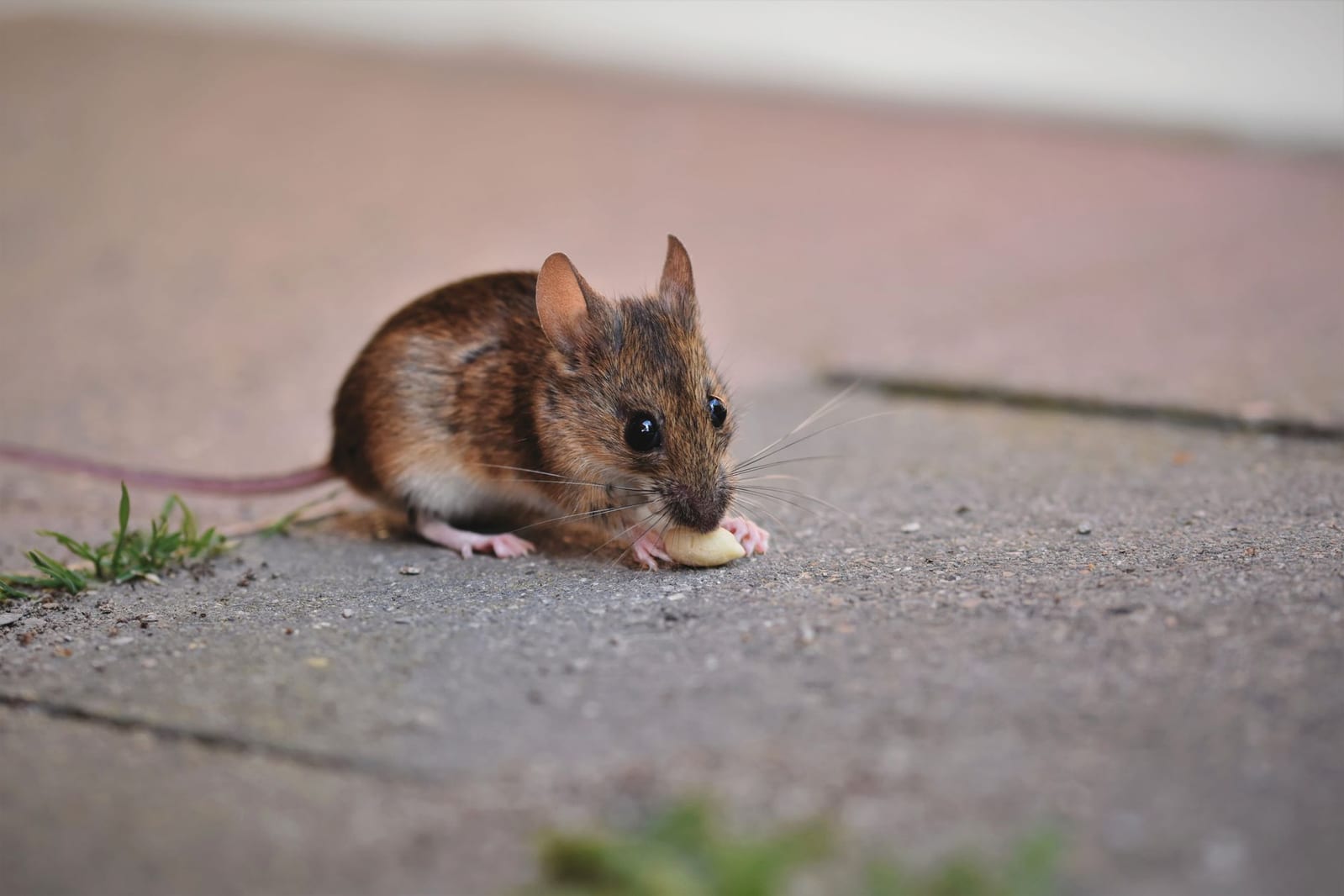
New York City has one of the densest rodent populations in the world. Aging infrastructure, restaurant-heavy blocks and continuous construction give rats and mice food, shelter and highways between buildings. Killing the rodents you can see is only half the job — without sealing how they get in, the next wave moves in within weeks.
Our rodent programme is built around exclusion: we inspect the building envelope for gaps around pipes, vents, foundation cracks, door sweeps and utility penetrations — rats can squeeze through a hole the size of a quarter, mice through a dime. We seal those entry points, then knock down the active population with a combination of trapping and tamper-resistant baiting placed away from people and pets.
For restaurants, bodegas and multi-family buildings we also advise on sanitation and storage, because rodent pressure in NYC is relentless and a one-time knockdown won't hold without addressing what's drawing them in.
NYC rats are a documented public-health issue, not just a nuisance. The city's dominant rodent is the brown rat (Norway rat, Rattus norvegicus), and a 2023 study estimated roughly 3 million of them across the five boroughs. These rats carry pathogens that reach people: a 2014 Columbia University study of Manhattan rats found Salmonella and E. coli, Seoul hantavirus, and Leptospira, and NYC Health reported a record 24 human leptospirosis cases in 2023, rising to 33 in 2024 — far above the 2001–2020 average of about three cases a year. Most exposure comes from contact with rat urine and droppings, which is why eliminating an infestation and cleaning contamination safely is genuinely protective, not optional.
New York's own rat-control infrastructure tells you how seriously the city takes this. The Health Department conducts more than 150,000 rat inspections a year, designates high-burden neighborhoods as Rat Mitigation Zones, and 'indexes' every property in targeted areas; the Sanitation Department's trash-containerization push has driven 311 rat-sighting complaints down and pushed inspections with active rat signs to a five-year low of 19.7% in FY2025. For a property owner or business, that environment means two things: rat pressure is being squeezed citywide, but a property with active signs or open trash can still be cited. Our programs are built to get a property past inspection — treating the colony, collapsing burrows, and removing the conditions inspectors look for.
What actually keeps rats and mice out of a New York City apartment?
Sealing entry points is the foundation of rodent control: the CDC notes a mouse can fit through a hole the width of a pencil — about 1/4 inch or 6 millimeters across — so even gaps that look far too small for a rodent are enough to let mice in. Trapping or baiting without sealing these openings only treats the symptom. (CDC — Seal Up to Prevent Rodents)
In New York City, property owners are legally required to keep rats out of homes. The Health Department designates Rat Mitigation Zones — areas of high rat activity where City agencies concentrate resources — and lets residents report a rodent problem online through 311 to trigger an inspection. (NYC Health — Rats)
The US EPA's prevention guidance is to deny rodents food, water and shelter, then seal holes inside and outside the home to keep them out — something as simple as plugging small openings with steel wool or patching holes in interior and exterior walls. Removing nesting sites such as leaf piles and deep mulch removes the harborage rodents depend on. (US EPA — Identify and Prevent Rodent Infestations)
Mice and rats are recognized indoor asthma triggers, not just a nuisance: NYC Housing Preservation & Development lists mice and rats among the common allergens that can cause or worsen asthma, and under Local Law 55 of 2018 owners of buildings with three or more apartments must keep tenants' units free of pests and the conditions that attract them. (NYC HPD — Indoor Allergen Hazards (Mold and Pests))
Trapping vs baiting vs exclusion — what's the right rodent strategy?
| Snap trapping | Rodenticide baiting | Exclusion / sealing | |
|---|---|---|---|
| Where the rodent ends up | In the trap — easy to find and remove | Often inside walls or voids, out of sight | Kept outside before it ever enters |
| Secondary-poisoning risk to pets and wildlife | None | Possible if a poisoned rodent is eaten | None |
| Closes the entry point | No — new rodents can re-enter | No — new rodents can re-enter | Yes — pencil-width gaps sealed per CDC guidance |
| Best role | Knock down an active indoor population | Reduce numbers where trapping is impractical | Permanent prevention; pairs with any method |
Signs you have a rodent control problem
- Droppings along walls, under sinks, or in cabinets and drawers
- Gnaw marks on food packaging, wiring, or baseboards
- Scratching or scurrying noises in walls or ceilings, especially at night
- A persistent musky, ammonia-like odour
- Greasy rub marks along baseboards and runways
Why Park Slope sees this
NYC's connected basements, shared trash areas and subway-adjacent blocks mean rodent control has to think about the whole building and the street, not just one apartment.
We help commercial clients stay ahead of NYC Department of Health inspections, where rodent evidence is a common violation.
NYC's brown rats are burrowing rodents — they nest in soil along foundations, in tree pits, garden beds, and under decking and slabs — so effective control in the city means treating and collapsing outdoor burrows, not only setting indoor traps.
If your building sits in a NYC Health Department Rat Mitigation Zone, every property in the area can be inspected (indexed), and active rat signs or uncontained trash can trigger a Commissioner's Order to Abate — we document treatment and proofing to keep you inspection-ready.