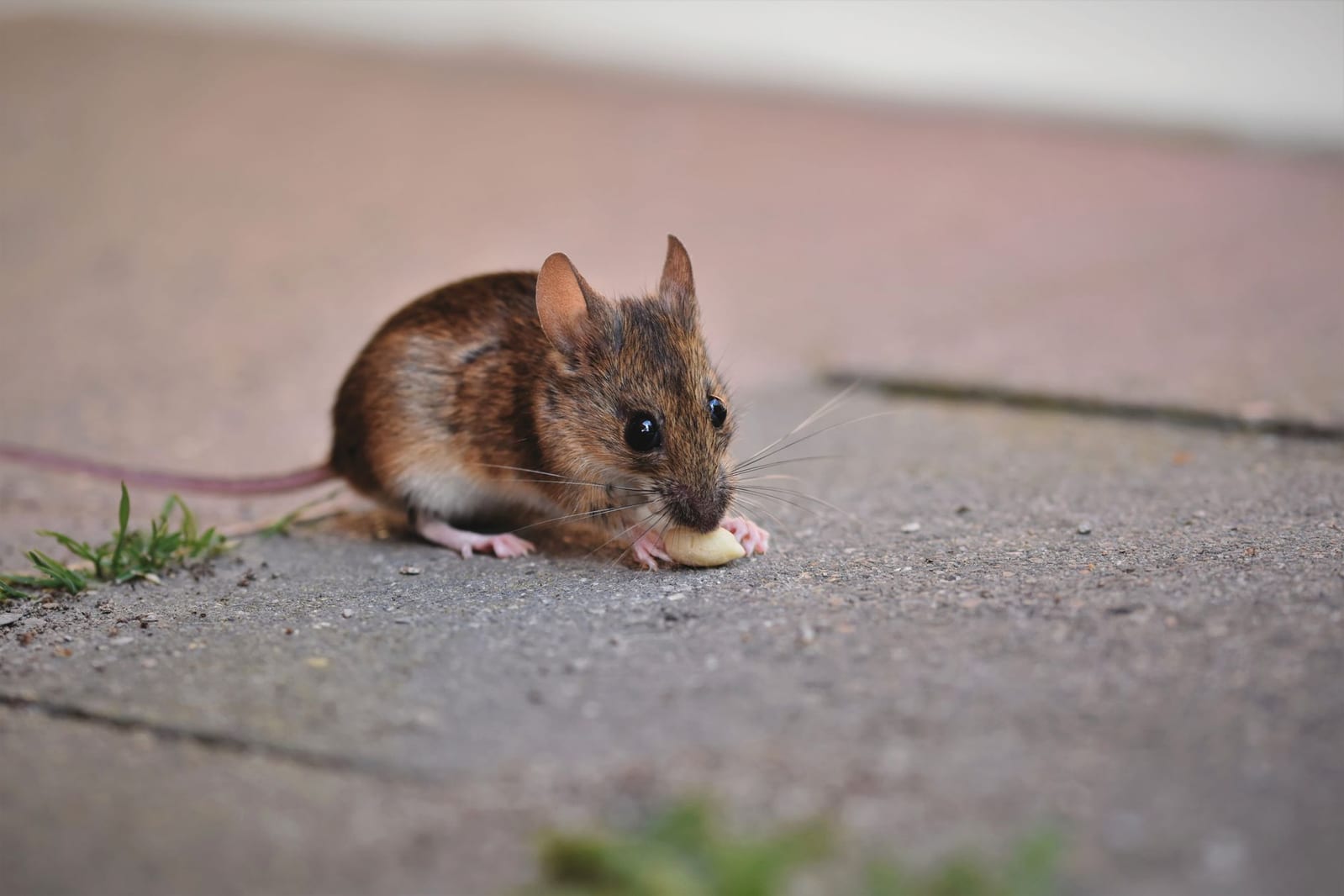
Rodent control in Park Slope: what to know
Park Slope's signature brownstones and limestone row houses are beautiful and old — the same deep voids, shared walls and original plumbing that make them charming also make them prone to rodents, ants and cockroaches moving between floors and homes.
The neighbourhood's location on the edge of Prospect Park means added seasonal pressure from rodents, mosquitoes and ticks, and from outdoor ants foraging indoors in warm months.
Family-dense brownstone blocks and the restaurant corridors along Fifth and Seventh Avenues keep food-source pressure high year-round.
Signs you need rodent control
- Droppings along walls, under sinks, or in cabinets and drawers
- Gnaw marks on food packaging, wiring, or baseboards
- Scratching or scurrying noises in walls or ceilings, especially at night
- A persistent musky, ammonia-like odour
- Greasy rub marks along baseboards and runways
How we treat rodent control in Park Slope
New York City has one of the densest rodent populations in the world. Aging infrastructure, restaurant-heavy blocks and continuous construction give rats and mice food, shelter and highways between buildings. Killing the rodents you can see is only half the job — without sealing how they get in, the next wave moves in within weeks.
Our rodent programme is built around exclusion: we inspect the building envelope for gaps around pipes, vents, foundation cracks, door sweeps and utility penetrations — rats can squeeze through a hole the size of a quarter, mice through a dime. We seal those entry points, then knock down the active population with a combination of trapping and tamper-resistant baiting placed away from people and pets.
Local landmarks & coverage
We serve all of Park Slope and the surrounding Brooklyn area — including Prospect Park, Fifth Avenue, Seventh Avenue, Grand Army Plaza — across ZIP codes 11215, 11217, 11218.