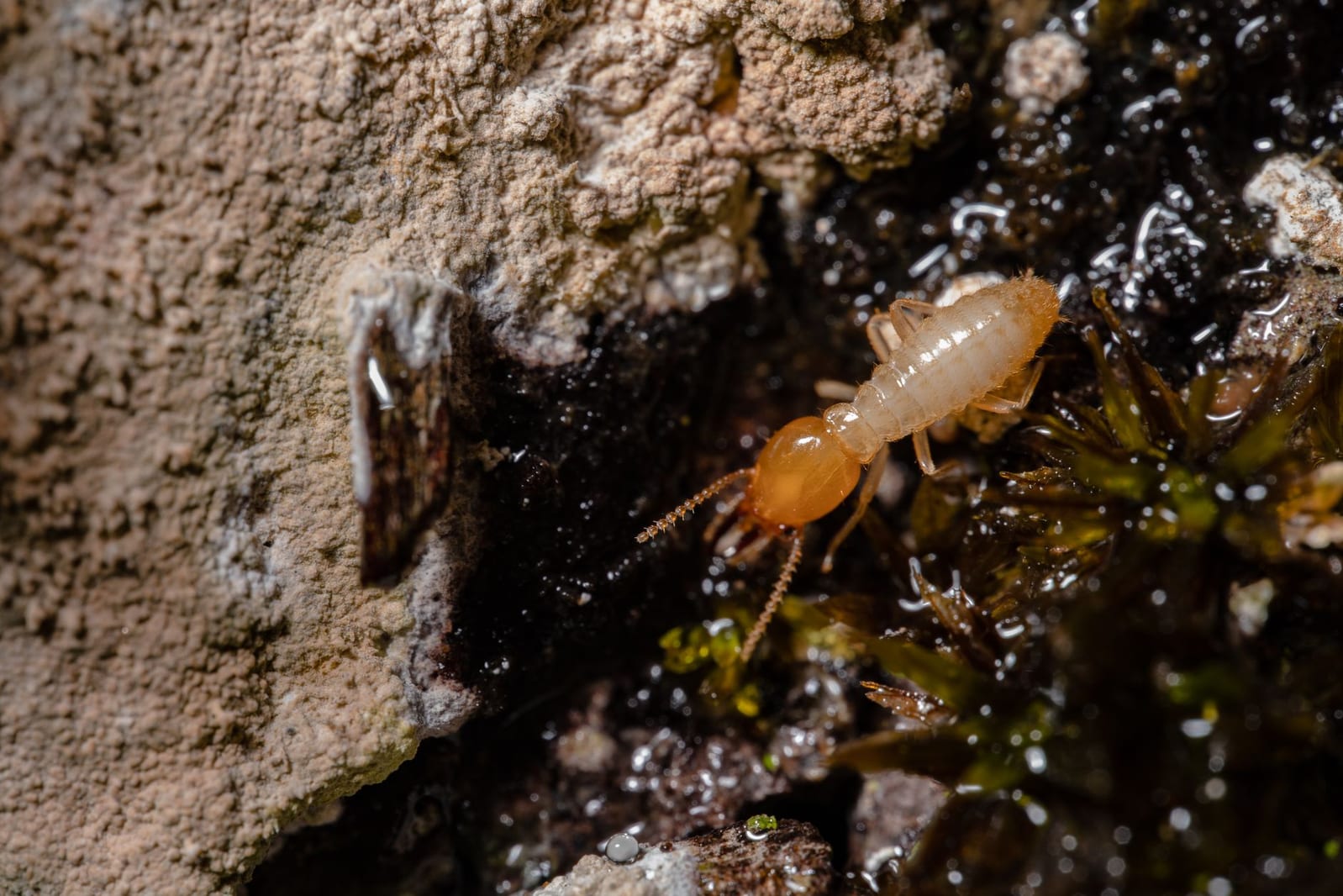
Termite control in Bedford-Stuyvesant: what to know
Bed-Stuy is one of the largest historic brownstone districts in the country — beautiful 19th-century row houses whose age brings deep baseboard gaps, shared walls and old plumbing that let rodents, roaches and ants move between homes.
Garden-level and basement units are especially prone to 'water bugs' from drains and to ant trails entering around old foundations and windows.
Busy commercial corridors along Fulton Street and high rental turnover keep both rodent pressure and bed bug vigilance high.
Signs you need termite control
- Mud tubes running along foundations, walls, or crawl-space surfaces
- Wood that sounds hollow when tapped or crumbles easily
- Discarded wings near windowsills after a swarm
- Buckling paint or what looks like water damage on wood
How we treat termite control in Bedford-Stuyvesant
Subterranean termites cause more structural damage than fires and storms combined, and they work silently — by the time you see damage, a colony has often been active for years. In the New York area, termites threaten the wood framing, joists and sills of houses and the lower floors of older buildings.
We provide both proactive inspection — including the Wood-Destroying Insect (WDI) reports lenders require for home purchases — and active treatment using liquid soil barriers and in-ground baiting systems that intercept and eliminate the colony.
Local landmarks & coverage
We serve all of Bedford-Stuyvesant and the surrounding Brooklyn area — including Fulton Street, Stuyvesant Heights brownstones, Restoration Plaza — across ZIP codes 11216, 11221, 11233.