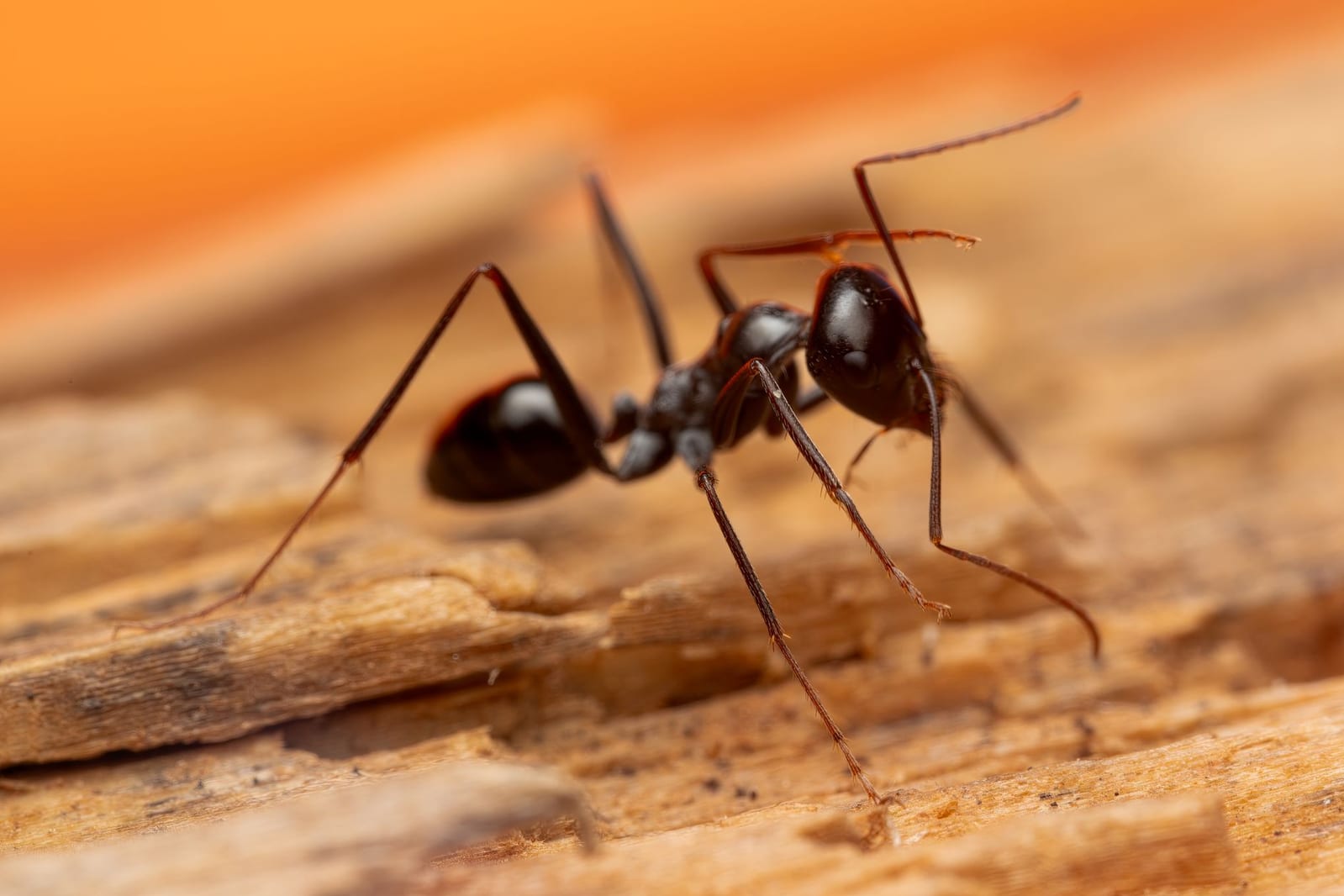
Ant control is among the most common pest issues we treat in Bedford-Stuyvesant. Busy commercial corridors along Fulton Street and high rental turnover keep both rodent pressure and bed bug vigilance high.
Ant control in Bedford-Stuyvesant: what to know
Bed-Stuy is one of the largest historic brownstone districts in the country — beautiful 19th-century row houses whose age brings deep baseboard gaps, shared walls and old plumbing that let rodents, roaches and ants move between homes.
Garden-level and basement units are especially prone to 'water bugs' from drains and to ant trails entering around old foundations and windows.
Busy commercial corridors along Fulton Street and high rental turnover keep both rodent pressure and bed bug vigilance high.
Signs you need ant control
- Steady trails of ants along counters, windowsills, or baseboards
- Ants clustered around sinks, dishwashers, or pet bowls
- Small piles of sawdust-like frass near woodwork (a sign of carpenter ants)
- Winged ants indoors, which can indicate an established nest
How we treat ant control in Bedford-Stuyvesant
Ant trails marching across a countertop or windowsill are a sign of a colony nearby — and spraying the visible ants does nothing to the nest. Different species need different treatment: pavement and odorous house ants are nuisance foragers, while carpenter ants tunnel into damp wood and can cause structural damage.
Our approach identifies the species first, then deploys baits that foraging workers carry back to the queen and brood, collapsing the colony at its source. For carpenter ants we locate and treat the nest and address the moisture problem that attracted them.
Local landmarks & coverage
We serve all of Bedford-Stuyvesant and the surrounding Brooklyn area — including Fulton Street, Stuyvesant Heights brownstones, Restoration Plaza — across ZIP codes 11216, 11221, 11233.