Termite control in Flatbush: what to know
Flatbush ranges from large pre-war apartment buildings to the famous freestanding Victorian houses of Ditmas Park. The apartment stock drives heavy mouse and German-cockroach pressure; the older detached homes add ant, wildlife and occasional-invader issues.
Dense, transit-rich commercial strips along Church and Flatbush Avenues sustain strong rodent pressure into adjacent residential blocks.
Flatbush is one of the neighbourhoods with the highest bed bug complaint rates in the city. Densely occupied apartment buildings with shared walls and high tenant turnover let infestations spread between units quickly — a single untreated unit can seed a whole line of apartments. Fast, building-wide treatment is what stops it.
Under NYC's bed bug disclosure law (Local Law 69 / Admin Code §27-2018.1), landlords must give tenants the building's one-year bed bug history at lease signing — so prompt, documented treatment protects both tenants and owners. We provide the paperwork a building needs.
Signs you need termite control
- Mud tubes running along foundations, walls, or crawl-space surfaces
- Wood that sounds hollow when tapped or crumbles easily
- Discarded wings near windowsills after a swarm
- Buckling paint or what looks like water damage on wood
How we treat termite control in Flatbush
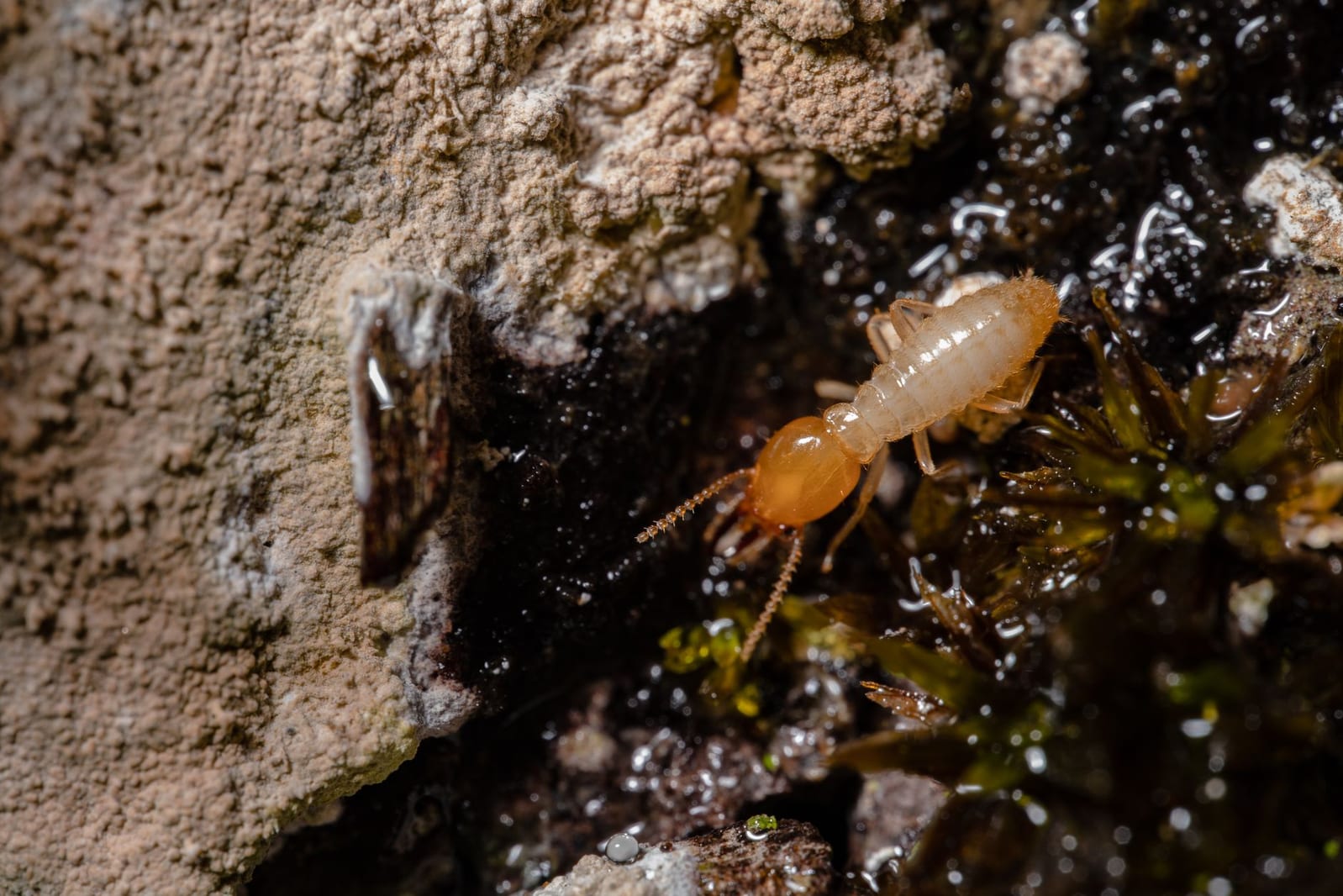
Subterranean termites cause more structural damage than fires and storms combined, and they work silently — by the time you see damage, a colony has often been active for years. In the New York area, termites threaten the wood framing, joists and sills of houses and the lower floors of older buildings.
We provide both proactive inspection — including the Wood-Destroying Insect (WDI) reports lenders require for home purchases — and active treatment using liquid soil barriers and in-ground baiting systems that intercept and eliminate the colony.
Local landmarks & coverage
We serve all of Flatbush and the surrounding Brooklyn area — including Brooklyn College, Prospect Park, Church Avenue, Kings Theatre, Ditmas Park Victorians — across ZIP codes 11226, 11210, 11203.