Silverfish control in Boerum Hill: what to know
Boerum Hill is a landmarked historic district of exceptionally well-preserved 19th-century Greek Revival and Italianate brownstone and brick row houses, sitting between Downtown Brooklyn, Cobble Hill and Gowanus. Like Park Slope, its housing stock is attached — shared party walls, original timber floor joists and basement garden apartments — so rodents, cockroaches and ants travel between adjoining homes through the building fabric itself, not just a single unit's own foundation.
The Smith Street and Atlantic Avenue restaurant and retail corridors keep food-source pressure high on the surrounding residential blocks year-round, sustaining cockroach and rodent activity through the colder months. Basement and garden-level units in these century-old row houses are prone to large 'water bugs' rising from old drains and to mice moving in from the commercial strips.
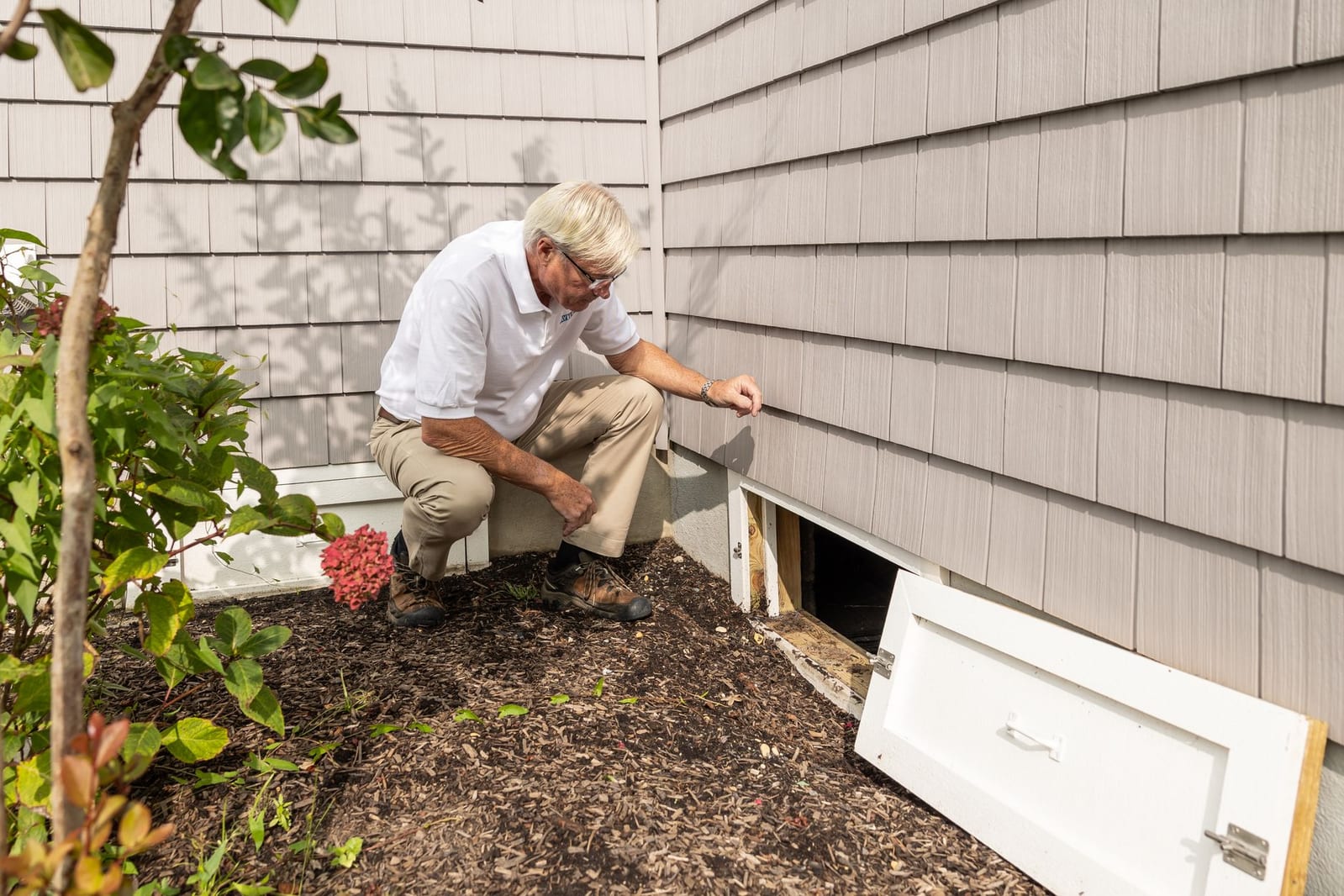
Much of the original or partially renovated masonry on Boerum Hill's protected blocks carries mortar gaps, deteriorated sill plates and unsealed utility penetrations — the entry conditions a fully modern building doesn't have, and the reason single-unit treatments here often need to account for the shared structure next door.
Signs you need silverfish control
- Small, silvery, teardrop-shaped insects darting across bathroom or basement floors, especially at night
- Tiny holes, notches or surface etching on paper, wallpaper, book spines or stored documents
- Yellowish stains or fine pepper-like droppings in cabinets, drawers and bookshelves
- Damage to starched or stored clothing and natural-fibre fabrics
- Shed skins or a faint dusty residue in damp closets, under sinks and around plumbing
How we treat silverfish control in Boerum Hill
Silverfish are the small, teardrop-shaped, silvery insects that dart across bathroom floors and basement walls and wriggle like a fish when you disturb them. They're a classic moisture pest: silverfish live and develop in damp, warm places, which is exactly what New York apartments offer in abundance — humid bathrooms, below-grade basements, laundry rooms and the deep wall voids of pre-war buildings.
They feed on starches and paper: cereals, flour and pet food, the glue and paste in book bindings, wallpaper paste, sizing in paper, and the starch in stored clothing. Because their flat bodies let them slip into narrow crevices, they hide by day inside wall voids, behind baseboards, in closets and bookcases, and around the gaps where pipes pass through walls — then come out at night to feed. That's why a can of spray rarely works: the population you see is a fraction of the one tucked into the moisture-rich voids you can't reach.
Local landmarks & coverage
We serve all of Boerum Hill and the surrounding Brooklyn area — including Smith Street, Atlantic Avenue, State Street, Dean Street, Hoyt Street — across ZIP codes 11217, 11201.