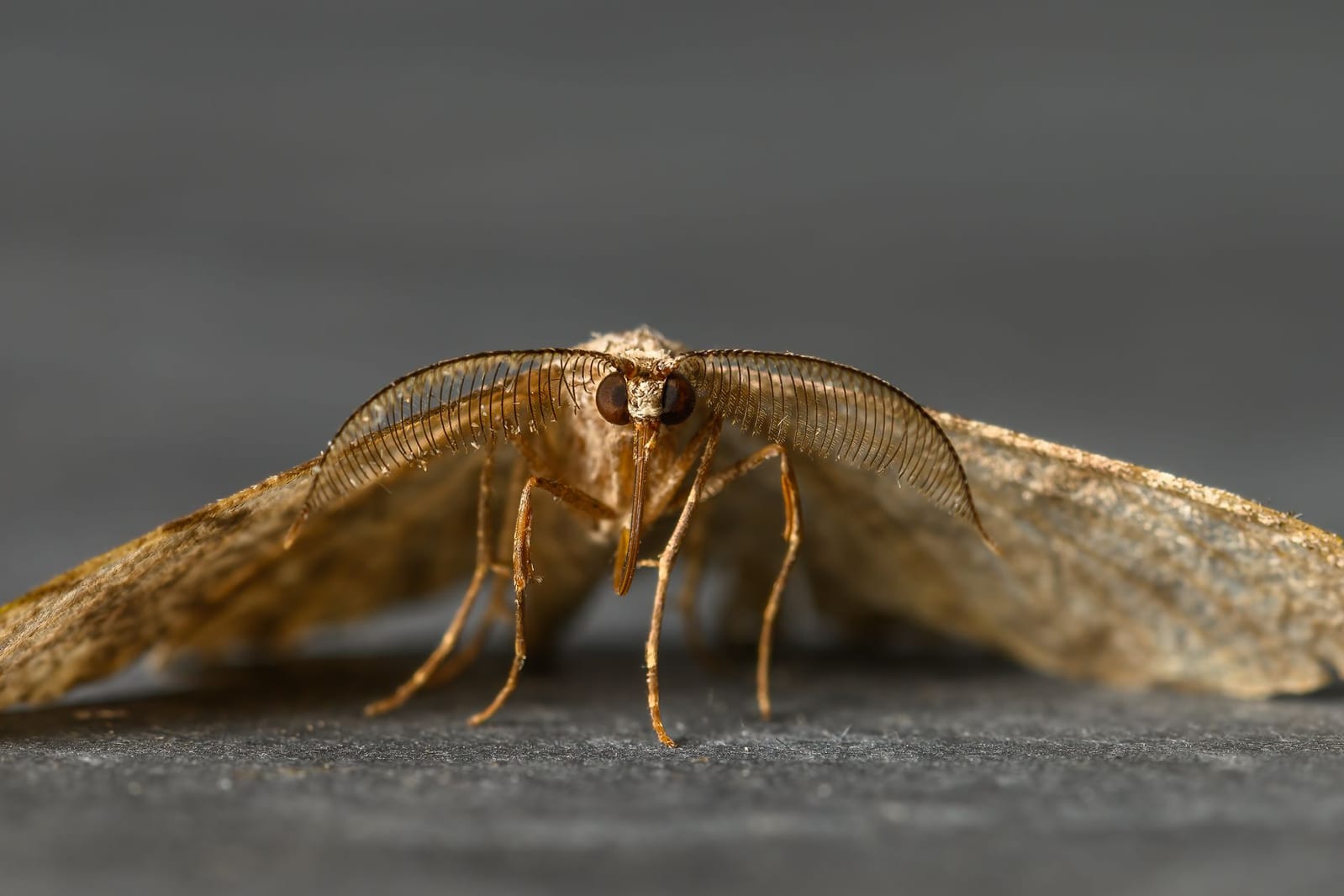
Moth control in Boerum Hill: what to know
Boerum Hill is a landmarked historic district of exceptionally well-preserved 19th-century Greek Revival and Italianate brownstone and brick row houses, sitting between Downtown Brooklyn, Cobble Hill and Gowanus. Like Park Slope, its housing stock is attached — shared party walls, original timber floor joists and basement garden apartments — so rodents, cockroaches and ants travel between adjoining homes through the building fabric itself, not just a single unit's own foundation.
The Smith Street and Atlantic Avenue restaurant and retail corridors keep food-source pressure high on the surrounding residential blocks year-round, sustaining cockroach and rodent activity through the colder months. Basement and garden-level units in these century-old row houses are prone to large 'water bugs' rising from old drains and to mice moving in from the commercial strips.
Much of the original or partially renovated masonry on Boerum Hill's protected blocks carries mortar gaps, deteriorated sill plates and unsealed utility penetrations — the entry conditions a fully modern building doesn't have, and the reason single-unit treatments here often need to account for the shared structure next door.
Signs you need moth control
- Small moths flying near the kitchen pantry, cabinets, or stored dry goods
- Webbing, larvae, or clumped material inside a flour, cereal, or pet food container
- Irregular holes in wool sweaters, coats, or other natural-fibre clothing in storage
- Larvae or silken webbing in closet corners, drawer edges, or folded stored fabric
- Moths or larvae found in a basement or garden-level storage room that's rarely opened
How we treat moth control in Boerum Hill
Park Slope's brownstones are largely family homes, and family households tend to hold more stored dry goods and more clothing and linens in long-term storage than a smaller apartment would — exactly the conditions both pantry moths and clothes moths need. Pantry (Indian meal) moths infest flour, cereal, pet food, nuts and other dry goods, often arriving already in a purchased package, then spreading to other stored food nearby.
Clothes moths are a separate problem entirely, targeting wool, silk, fur and other natural fibres rather than food. The closets, linen cupboards, and basement or garden-level storage rooms typical of this older housing stock — often less climate-controlled and less frequently disturbed than a modern apartment's storage — are exactly the dark, undisturbed conditions clothes moth larvae prefer.
Local landmarks & coverage
We serve all of Boerum Hill and the surrounding Brooklyn area — including Smith Street, Atlantic Avenue, State Street, Dean Street, Hoyt Street — across ZIP codes 11217, 11201.