Mosquito & tick control in Flatbush: what to know
Flatbush ranges from large pre-war apartment buildings to the famous freestanding Victorian houses of Ditmas Park. The apartment stock drives heavy mouse and German-cockroach pressure; the older detached homes add ant, wildlife and occasional-invader issues.
Dense, transit-rich commercial strips along Church and Flatbush Avenues sustain strong rodent pressure into adjacent residential blocks.
Flatbush is one of the neighbourhoods with the highest bed bug complaint rates in the city. Densely occupied apartment buildings with shared walls and high tenant turnover let infestations spread between units quickly — a single untreated unit can seed a whole line of apartments. Fast, building-wide treatment is what stops it.
Under NYC's bed bug disclosure law (Local Law 69 / Admin Code §27-2018.1), landlords must give tenants the building's one-year bed bug history at lease signing — so prompt, documented treatment protects both tenants and owners. We provide the paperwork a building needs.
How much does mosquito & tick control cost in Flatbush?
$50–$2,500
Per-visit: $80–$150. Per-season average: $350–$1,000 (property-dependent; quarter/half-acre seasonal average ~$500). Overall reported range: $50–$2,500. Larvicide-only visits: $80–$120.
| Per-visit | $80–$150 per visit |
| Per-season | $350–$1,000 per season |
US national figure — NYC typically runs higher.
Market range — not our quote
This is a market range synthesised from published cost guides — not a quote from this provider. The actual price depends on an in-person or photo-based inspection.
US national, yard/property-based figures — most NYC pest-control demand is apartment/building interior, so these outdoor-yard-oriented ranges apply best to NYC rowhouse/backyard or small-business-patio contexts, not typical apartment units. No NYC-specific mosquito guide found.
What drives the price
- Property/yard size
- Treatment method (adult spray vs larvicide briquettes vs misting system)
- Single visit vs full-season recurring plan (every ~21 days, April–September)
- Contract length
Signs you need mosquito & tick control
- Mosquito bites accumulating in the backyard or on a stoop in the evening, even without visiting the park
- Visible standing water in a backyard container, drain, gutter, or basement airshaft after rain
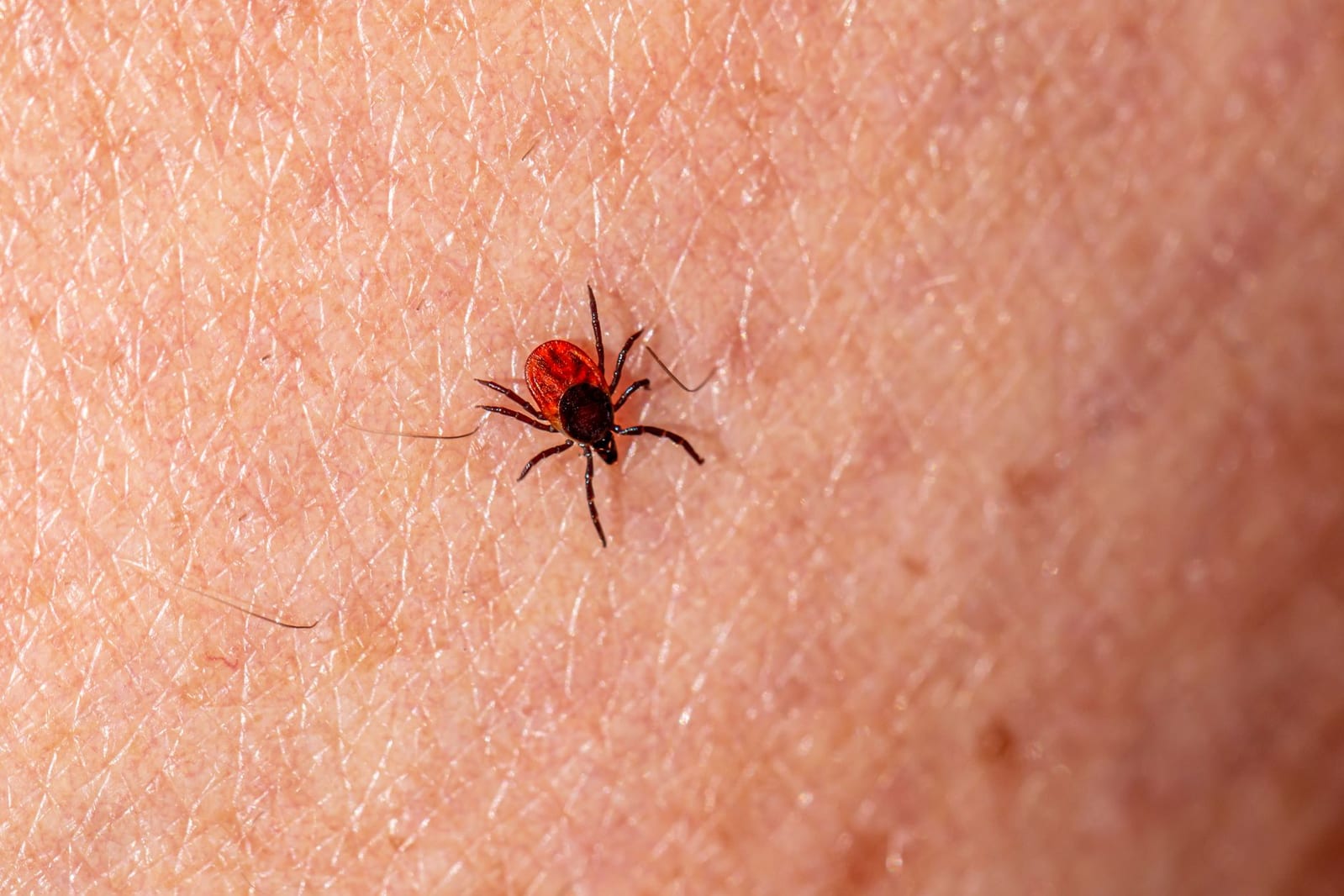
- Ticks found on pets or family members after time in or near Prospect Park
- Increased mosquito activity on blocks closest to the park boundary compared to interior blocks
- Mosquito activity that persists into cooler months in a mild autumn
How we treat mosquito & tick control in Flatbush
Park Slope sits directly against Prospect Park, and that boundary is the single biggest driver of mosquito and tick pressure in the neighbourhood. Ticks move out of the park's grass and brush onto pets, clothing and skin on blocks closest to the perimeter, while mosquitoes breed anywhere water sits still for more than a few days — including well inside the built-up blocks away from the park itself.
Brownstone backyards, narrow basement airshafts and light wells common to this row-house construction are easy to overlook as breeding sites: a blocked drain, a forgotten container, or a low spot that holds rainwater after a storm is all a mosquito needs. Because these row houses sit close together with shared or adjoining yard space, one property's standing water can sustain mosquito pressure for the whole block.
Local landmarks & coverage
We serve all of Flatbush and the surrounding Brooklyn area — including Brooklyn College, Prospect Park, Church Avenue, Kings Theatre, Ditmas Park Victorians — across ZIP codes 11226, 11210, 11203.