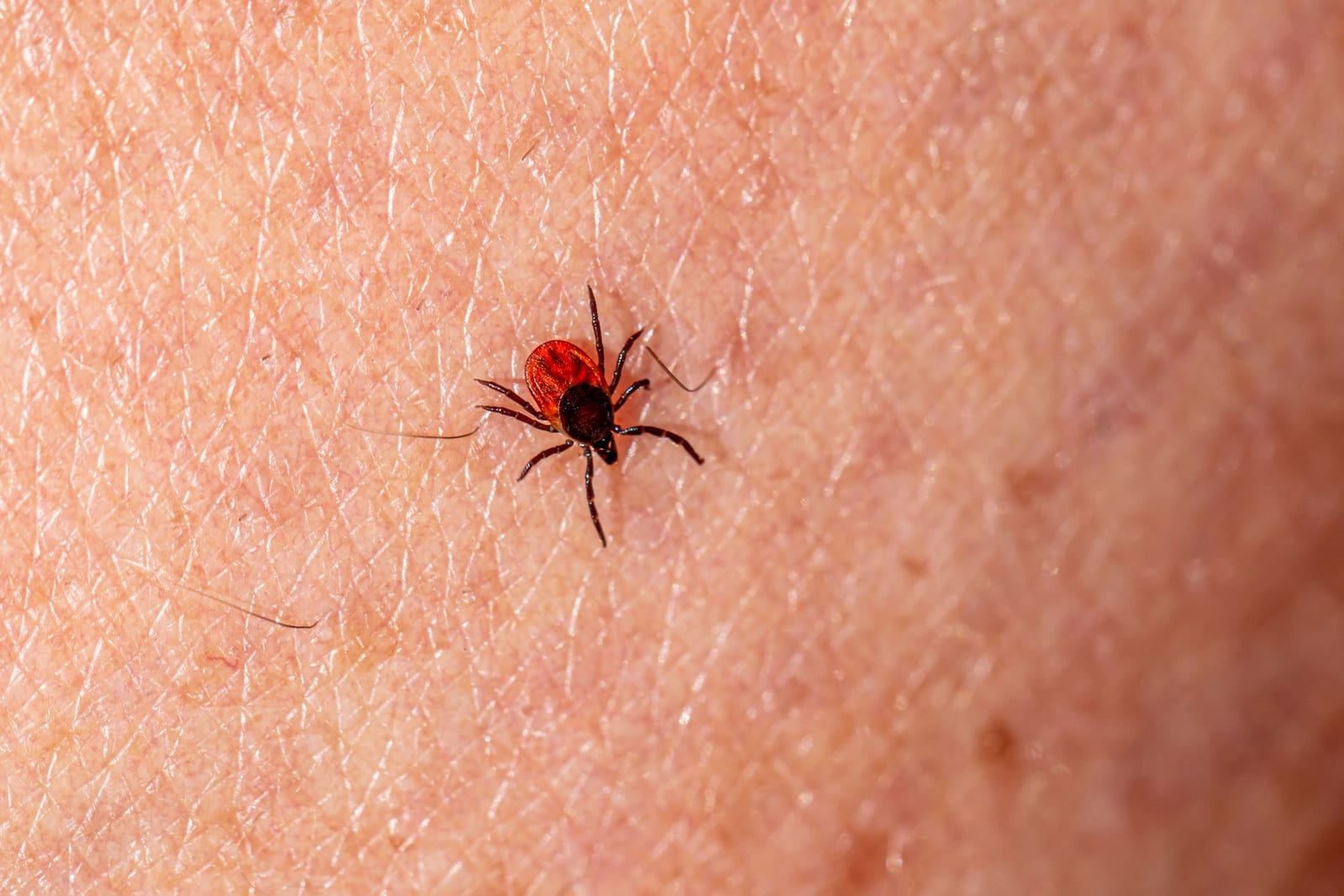
Mosquito & tick control in Boerum Hill: what to know
Boerum Hill is a landmarked historic district of exceptionally well-preserved 19th-century Greek Revival and Italianate brownstone and brick row houses, sitting between Downtown Brooklyn, Cobble Hill and Gowanus. Like Park Slope, its housing stock is attached — shared party walls, original timber floor joists and basement garden apartments — so rodents, cockroaches and ants travel between adjoining homes through the building fabric itself, not just a single unit's own foundation.
The Smith Street and Atlantic Avenue restaurant and retail corridors keep food-source pressure high on the surrounding residential blocks year-round, sustaining cockroach and rodent activity through the colder months. Basement and garden-level units in these century-old row houses are prone to large 'water bugs' rising from old drains and to mice moving in from the commercial strips.
Much of the original or partially renovated masonry on Boerum Hill's protected blocks carries mortar gaps, deteriorated sill plates and unsealed utility penetrations — the entry conditions a fully modern building doesn't have, and the reason single-unit treatments here often need to account for the shared structure next door.
How much does mosquito & tick control cost in Boerum Hill?
$50–$2,500
Per-visit: $80–$150. Per-season average: $350–$1,000 (property-dependent; quarter/half-acre seasonal average ~$500). Overall reported range: $50–$2,500. Larvicide-only visits: $80–$120.
| Per-visit | $80–$150 per visit |
| Per-season | $350–$1,000 per season |
US national figure — NYC typically runs higher.
Market range — not our quote
This is a market range synthesised from published cost guides — not a quote from this provider. The actual price depends on an in-person or photo-based inspection.
US national, yard/property-based figures — most NYC pest-control demand is apartment/building interior, so these outdoor-yard-oriented ranges apply best to NYC rowhouse/backyard or small-business-patio contexts, not typical apartment units. No NYC-specific mosquito guide found.
What drives the price
- Property/yard size
- Treatment method (adult spray vs larvicide briquettes vs misting system)
- Single visit vs full-season recurring plan (every ~21 days, April–September)
- Contract length
Signs you need mosquito & tick control
- Mosquito bites accumulating in the backyard or on a stoop in the evening, even without visiting the park
- Visible standing water in a backyard container, drain, gutter, or basement airshaft after rain
- Ticks found on pets or family members after time in or near Prospect Park
- Increased mosquito activity on blocks closest to the park boundary compared to interior blocks
- Mosquito activity that persists into cooler months in a mild autumn
How we treat mosquito & tick control in Boerum Hill
Park Slope sits directly against Prospect Park, and that boundary is the single biggest driver of mosquito and tick pressure in the neighbourhood. Ticks move out of the park's grass and brush onto pets, clothing and skin on blocks closest to the perimeter, while mosquitoes breed anywhere water sits still for more than a few days — including well inside the built-up blocks away from the park itself.
Brownstone backyards, narrow basement airshafts and light wells common to this row-house construction are easy to overlook as breeding sites: a blocked drain, a forgotten container, or a low spot that holds rainwater after a storm is all a mosquito needs. Because these row houses sit close together with shared or adjoining yard space, one property's standing water can sustain mosquito pressure for the whole block.
Local landmarks & coverage
We serve all of Boerum Hill and the surrounding Brooklyn area — including Smith Street, Atlantic Avenue, State Street, Dean Street, Hoyt Street — across ZIP codes 11217, 11201.