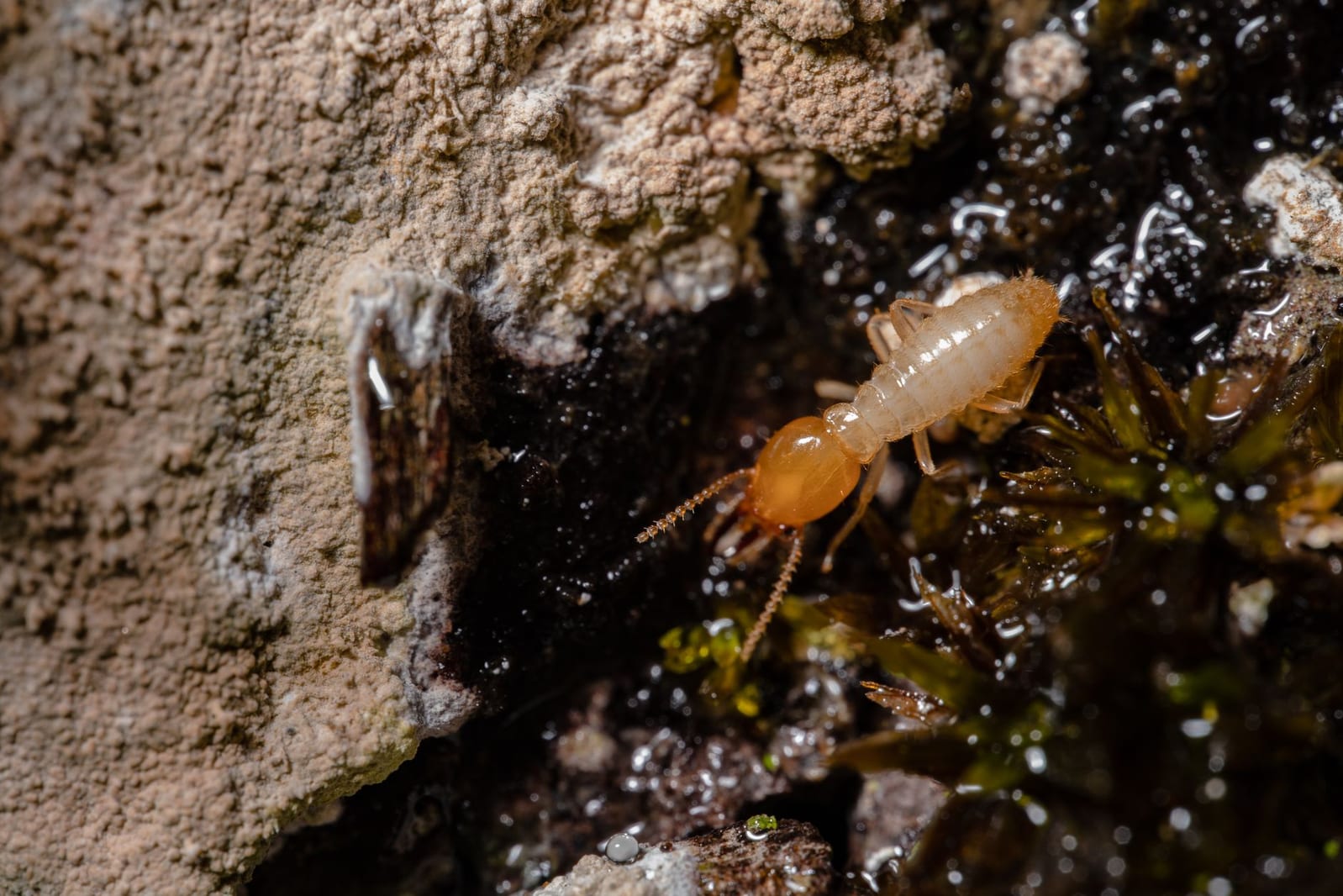
Termite control in Boerum Hill: what to know
Boerum Hill is a landmarked historic district of exceptionally well-preserved 19th-century Greek Revival and Italianate brownstone and brick row houses, sitting between Downtown Brooklyn, Cobble Hill and Gowanus. Like Park Slope, its housing stock is attached — shared party walls, original timber floor joists and basement garden apartments — so rodents, cockroaches and ants travel between adjoining homes through the building fabric itself, not just a single unit's own foundation.
The Smith Street and Atlantic Avenue restaurant and retail corridors keep food-source pressure high on the surrounding residential blocks year-round, sustaining cockroach and rodent activity through the colder months. Basement and garden-level units in these century-old row houses are prone to large 'water bugs' rising from old drains and to mice moving in from the commercial strips.
Much of the original or partially renovated masonry on Boerum Hill's protected blocks carries mortar gaps, deteriorated sill plates and unsealed utility penetrations — the entry conditions a fully modern building doesn't have, and the reason single-unit treatments here often need to account for the shared structure next door.
How much does termite control & inspection cost in Boerum Hill?
$75–$8,000
Inspection: $75–$325 (avg ~$100; many companies offer inspections free). Standard treatment: $230–$1,000 (avg ~$600). Extensive infestation/fumigation: $1,500–$8,000. Annual termite bond/warranty: $200–$400/year.
| Inspection | $75–$325 one-time |
| Standard treatment | $230–$1,000 one-time |
| Extensive infestation / fumigation | $1,500–$8,000 one-time |
| Annual bond / warranty | $200–$400 per year |
US national figure — NYC typically runs higher.
Market range — not our quote
This is a market range synthesised from published cost guides — not a quote from this provider. The actual price depends on an in-person or photo-based inspection.
US national — NYC typically higher. No NYC-specific termite pricing found; NYC's older/pre-war building stock and closely-spaced structures are plausible cost drivers but this is inference, not a sourced NYC figure — not presented as verified.
What drives the price
- Inspection alone vs bundled with treatment quote
- Treatment method (spot/localized vs whole-structure fumigation)
- Severity/extent of colony
- Ongoing bond/warranty vs one-time treatment only
Signs you need termite control
- Mud tubes along a basement foundation wall, party wall, or original floor joist
- Wood that sounds hollow when tapped, especially basement or garden-level framing
- Blistered paint on wood surfaces from frass building up beneath it
- Winged swarmers appearing indoors in spring, often mistaken for flying ants
- Soft, discoloured wood on original sill plates or joists near ground contact
How we treat termite control in Boerum Hill
Termites are easy to underdiagnose in a Park Slope row house because the damage happens slowly, out of sight, inside original structural wood that's rarely inspected once a floor is finished over. The late-19th to early-20th-century brownstone and limestone construction that defines this neighbourhood — attached, 3–5 storeys, with original timber floor joists — is exactly the kind of building stock where eastern subterranean termite activity goes unnoticed for years.
Basement-level and garden-apartment framing is the highest-risk zone: it sits closest to soil contact, and on blocks with original or partially renovated masonry, mortar gaps and deteriorated sill plates give termites the moisture and access they need without ever surfacing where a resident would see them.
Local landmarks & coverage
We serve all of Boerum Hill and the surrounding Brooklyn area — including Smith Street, Atlantic Avenue, State Street, Dean Street, Hoyt Street — across ZIP codes 11217, 11201.