Stinging insect removal in Gowanus: what to know
Gowanus is a former industrial pocket of Brooklyn wrapped around the Gowanus Canal — a federal Superfund site since 2010. Old warehouses, converted lofts, auto shops and the row houses on its Park Slope–facing streets sit over a high water table and a century of below-grade plumbing, exactly the damp, drain-heavy conditions the large oriental cockroaches New Yorkers call 'water bugs' rise up into from basements and floor drains.
The canal corridor and the neighbourhood's low, wet ground drive some of the heaviest rodent pressure in this part of Brooklyn — rats travel the canal banks, sewer lines and vacant industrial lots and push into adjoining residential blocks. Ongoing large-scale development from the 2021 rezoning disturbs established rat harbourage, which frequently sends populations searching for new shelter in nearby homes and businesses.
Ground-floor and basement units in Gowanus's converted industrial buildings and older row houses are the most exposed — old masonry, unsealed utility penetrations and moisture from the high water table give both rodents and water bugs the entry points and damp harbourage they need year-round.
Signs you need stinging insect removal
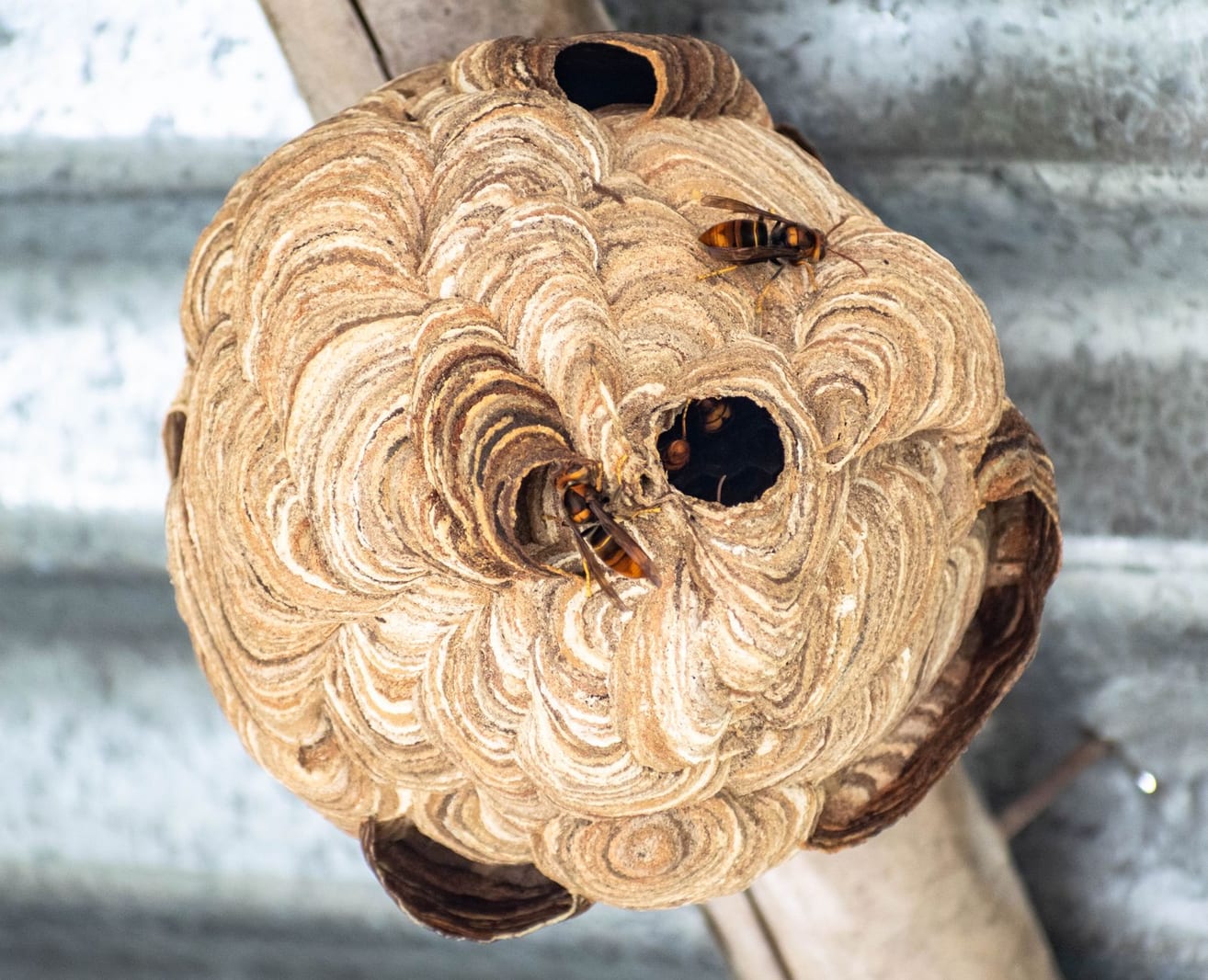
- Visible paper nest under a cornice, eave, or facade ledge
- Increased wasp or hornet activity around a specific point on the facade or in the backyard garden
- Insects entering or exiting a gap in older, unrenovated masonry at a consistent point
- Ground-level nest activity in a backyard garden bed or under a deck
- Stings or close encounters increasing through late summer as a nest reaches full size
How we treat stinging insect removal in Gowanus
Paper wasps and yellowjackets are the stinging insects most often found on Park Slope's brownstone blocks, building nests under cornice overhangs, in gaps behind facade detailing, and in the eaves and window-frame voids common to century-old row-house construction. The ornate masonry that defines these buildings gives stinging insects far more sheltered, protected surface area to nest on than a flat modern facade would.
Backyard gardens add a second nesting zone — yellowjackets in particular will nest in the ground or in a wall cavity at yard level, and family-dense brownstone blocks mean garden and stoop areas see regular foot traffic right past active nests through summer. Original or partially renovated masonry with mortar gaps and unsealed penetrations gives some species access into wall voids as well as onto exposed facade surfaces.
Local landmarks & coverage
We serve all of Gowanus and the surrounding Brooklyn area — including Gowanus Canal, Fourth Avenue, Third Avenue, Whole Foods Gowanus, Thomas Greene Park — across ZIP codes 11215, 11217, 11231.