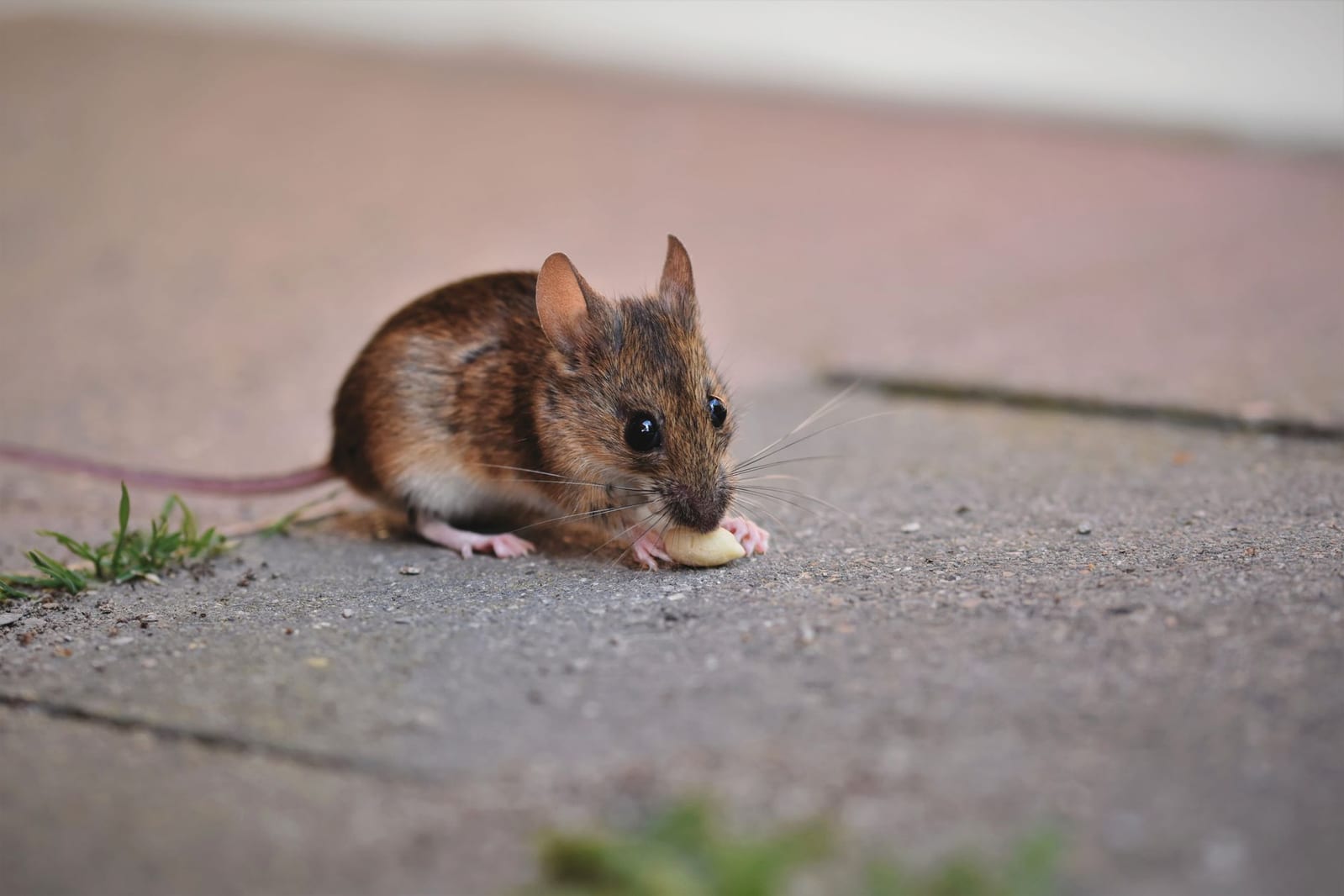
Rodent control in Red Hook: what to know
Red Hook's working waterfront and surviving industrial buildings along Van Brunt Street and Conover Street harbour some of the largest rat populations in Brooklyn — the port infrastructure, shipping containers and food-wholesale operations along the waterfront create extensive rodent habitat that feeds into the surrounding residential blocks.
The low-lying neighbourhood's proximity to New York Harbor means periodic flooding in basements and ground-floor units; post-flood dampness draws 'water bugs' and carpenter ants, and standing water in uneven lots creates seasonal mosquito breeding sites.
The dense seasonal food festival activity at the Red Hook Ball Fields and the growing restaurant scene on Van Brunt Street sustains fly and rodent pressure in the warmer months.
How much does rat & mouse control cost in Red Hook?
$200–$1,200
One-time baiting: $200–$500. Exclusion (baiting + entry-point sealing): $400–$900. Ongoing monitoring: $100–$200/month. NYC per-treatment overall: $300–$1,200 (avg ~$475). National per-visit average: $345 (range $216–$495).
| One-time baiting | $200–$500 per treatment |
| Exclusion (baiting + sealing) | $400–$900 per treatment |
| Ongoing monitoring | $100–$200 per month |
Market range — not our quote
This is a market range synthesised from published cost guides — not a quote from this provider. The actual price depends on an in-person or photo-based inspection.
Angi's $345 average (range $216–$495) is the only tier-1, NYC-geo-targeted figure found and is notably lower than the tier-2 NYC blogs' $300–$1,200 claim. Both are shown — do not collapse into a single misleadingly precise number.
What drives the price
- Baiting-only vs full exclusion (sealing entry points)
- Number of visits needed for heavy infestation (3–5 visits can total $700–$1,500)
- Building type / density
- Ongoing monitoring plan vs one-off
Signs you need rodent control
- Scratching or movement inside a party wall, especially at night when the building is quiet
- Droppings in the basement garden apartment or along original floor joists, not just the kitchen
- Gnaw marks around plumbing chases, sill plates, or utility penetrations in older, unrenovated masonry
- Grease marks low along a shared basement or cellar wall where rodents travel the same route repeatedly
- New activity shortly after a neighbouring unit reports its own rodent problem
How we treat rodent control in Red Hook
Park Slope's housing stock is dominated by late-19th to early-20th-century brownstone and limestone row houses — attached, 3–5 storeys, brick or brownstone, built shoulder to shoulder along blocks off Fifth and Seventh Avenues. That construction means most homes here share at least one party wall with a neighbour, and those walls, along with original timber floor joists and basement-level garden apartments, give rodents a travel network between buildings that a detached house simply doesn't have.
Original or partially renovated masonry on many of these blocks carries mortar gaps, deteriorated sill plates, and utility penetrations that were never properly sealed when the plumbing or wiring was updated. That's the profile a rodent job here is actually working against — not a single point of entry, but a century of small openings in shared brick.
Local landmarks & coverage
We serve all of Red Hook and the surrounding Brooklyn area — including Red Hook Waterfront, IKEA Red Hook, Van Brunt Street, Red Hook Ball Fields, Coffey Park — across ZIP codes 11231.