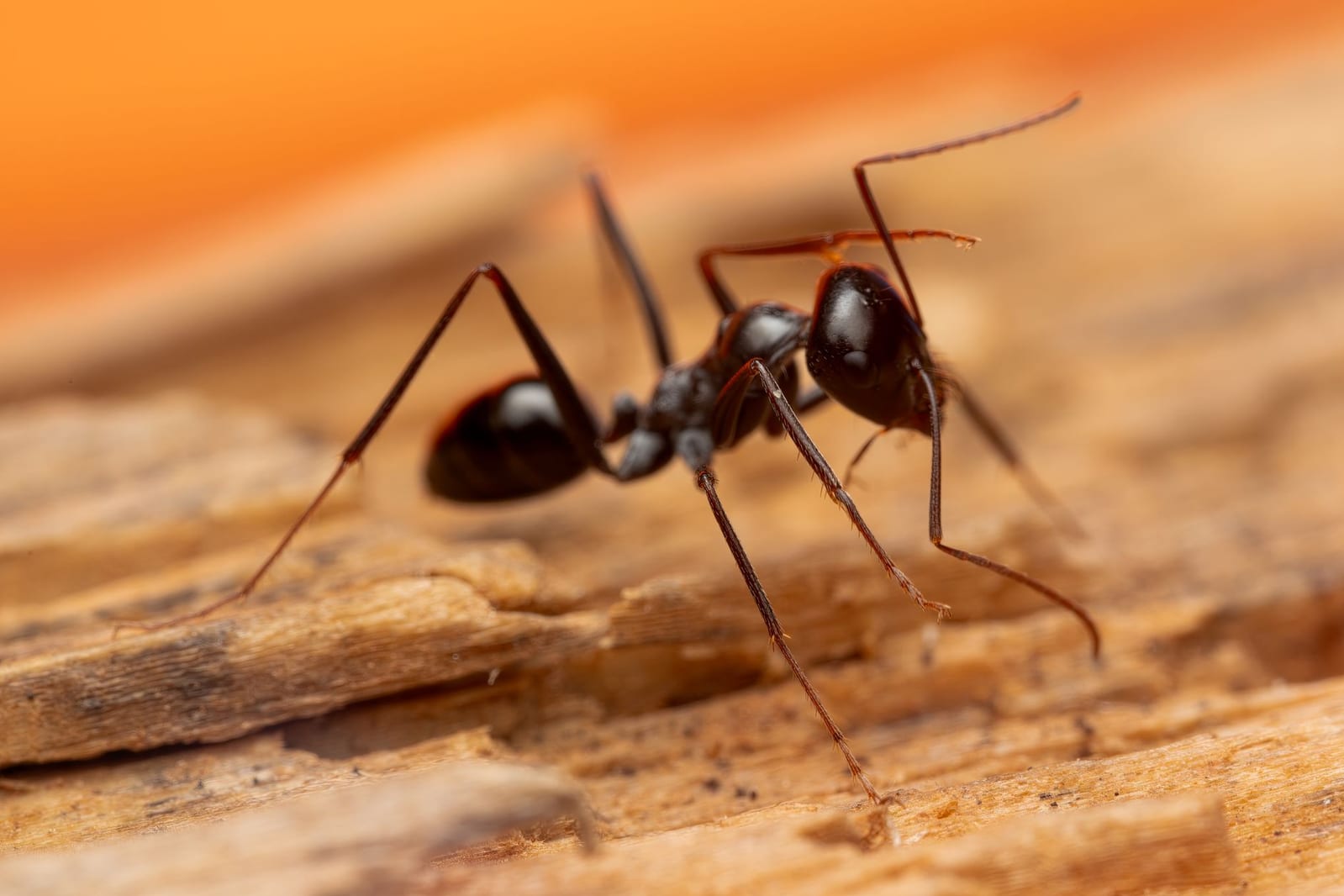
Ant control is among the most common pest issues we treat in Cobble Hill. Garden-level apartments carved from these row houses are prone to 'water bugs' rising from old drains, and the shared-wall construction means bed bug spread between neighbouring units is a real risk in converted multi-family homes.
Ant control in Cobble Hill: what to know
Cobble Hill is a landmarked brownstone and brick row-house district much like its neighbours Brooklyn Heights and Boerum Hill — attached 19th-century homes with shared party walls, original plumbing and deep basement voids that let rodents, ants and cockroaches move between adjoining buildings.
The Court Street and Atlantic Avenue commercial corridors keep food-source pressure high on the surrounding blocks, sustaining rodent and roach activity into the colder months.
Garden-level apartments carved from these row houses are prone to 'water bugs' rising from old drains, and the shared-wall construction means bed bug spread between neighbouring units is a real risk in converted multi-family homes.
How much does carpenter ant & ant control cost in Cobble Hill?
$60–$500
National average: $150–$250 per visit (Angi). Typical single treatment: $80–$500 (small infestation). Bob Vila national range: $60–$215. Follow-up/retreatment visits: $40–$120.
US national figure — NYC typically runs higher.
Market range — not our quote
This is a market range synthesised from published cost guides — not a quote from this provider. The actual price depends on an in-person or photo-based inspection.
US national — NYC typically higher; no NYC-specific ant cost guide located, unlike bed bugs/rats/roaches.
What drives the price
- Infestation location (attic/basement/exterior walls cost more than kitchen/living space due to access difficulty)
- Severity
- Treatment method
- One-off vs follow-up retreatment
Signs you need ant control
- Coarse, fibrous frass near original masonry, a basement void, or garden-level walls
- Large black ants (12–25mm) foraging indoors, especially at night
- Rustling sounds inside a party wall or beneath original floor joists
- Winged swarmers appearing indoors in late winter or spring
- Soft or discoloured wood on original joists, sill plates, or basement framing
How we treat ant control in Cobble Hill
Park Slope's brownstone and limestone row houses are largely late-19th to early-20th-century construction, with original timber floor joists and, on many blocks, masonry that's original or only partially renovated. That combination — old wood, old brick, mortar gaps that were never resealed — gives carpenter ants exactly the moisture-damaged material they need to excavate a colony.
The ants foraging across a kitchen counter are rarely the whole story. In row houses this old, the parent colony is more often in a damp basement or garden-level void, a deteriorated sill plate, or a section of original floor joist that's held moisture behind unrenovated masonry for years. Treating only what's visible upstairs is why a DIY approach tends to fail season after season.
Local landmarks & coverage
We serve all of Cobble Hill and the surrounding Brooklyn area — including Cobble Hill Park, Court Street, Atlantic Avenue, Verandah Place — across ZIP codes 11201, 11231.